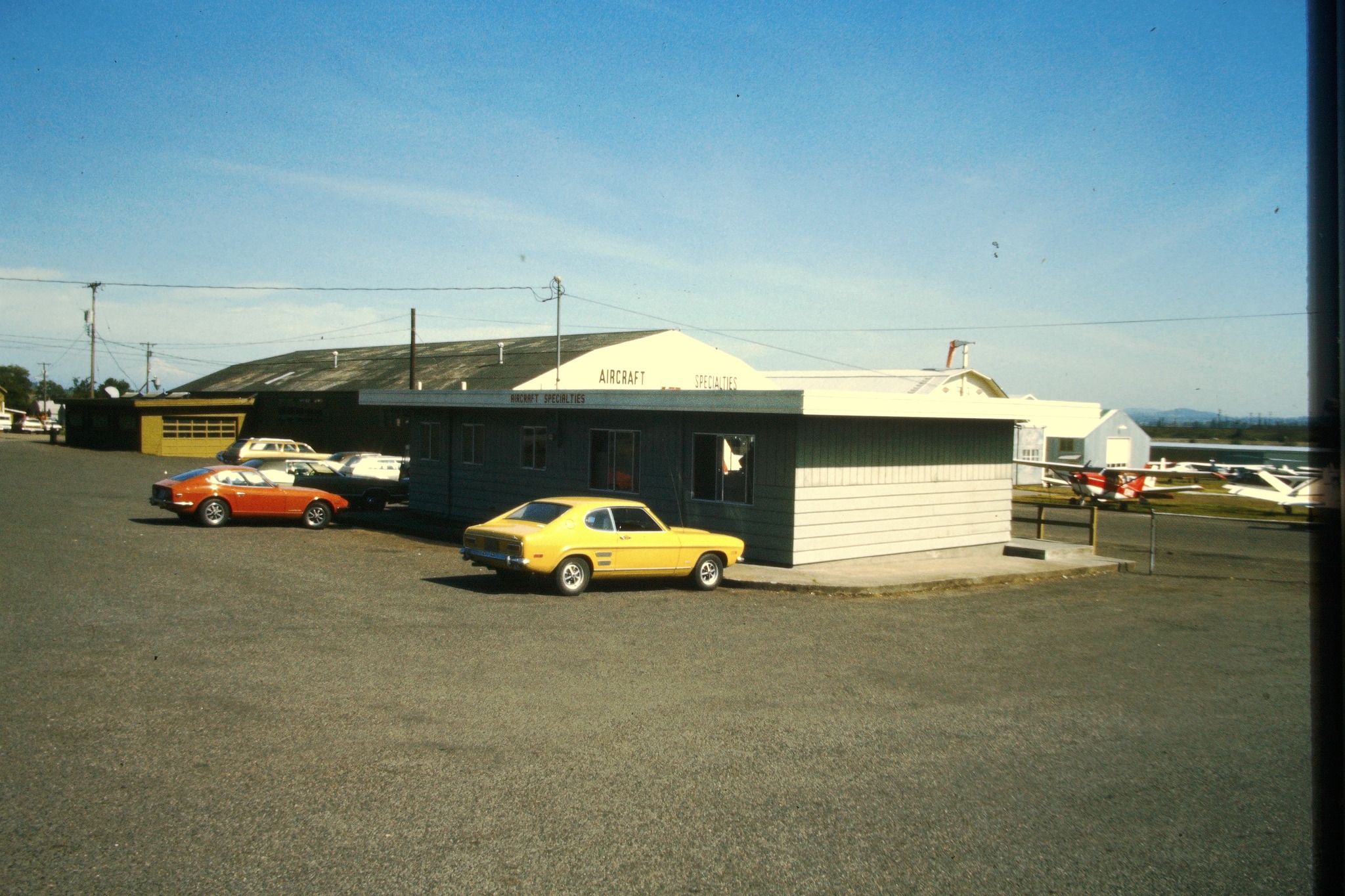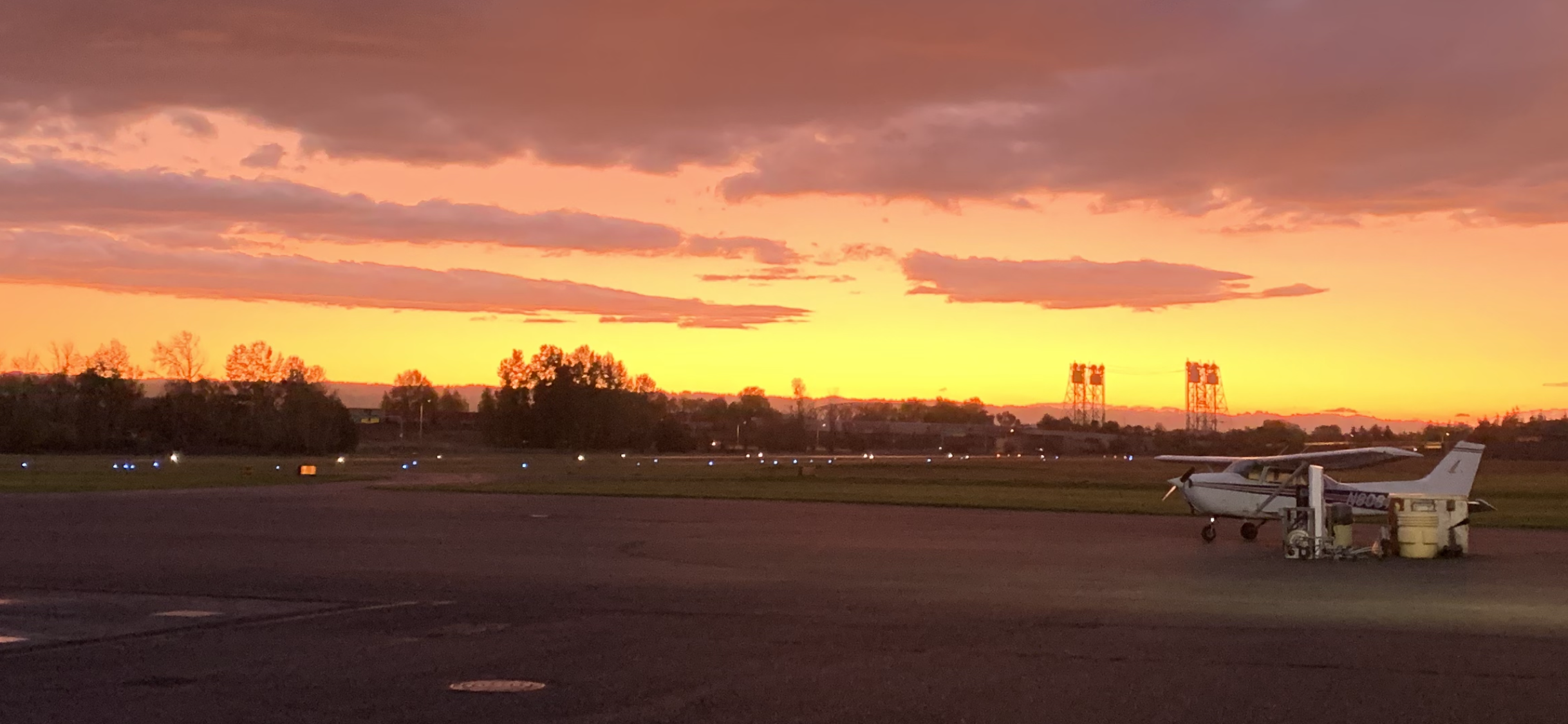
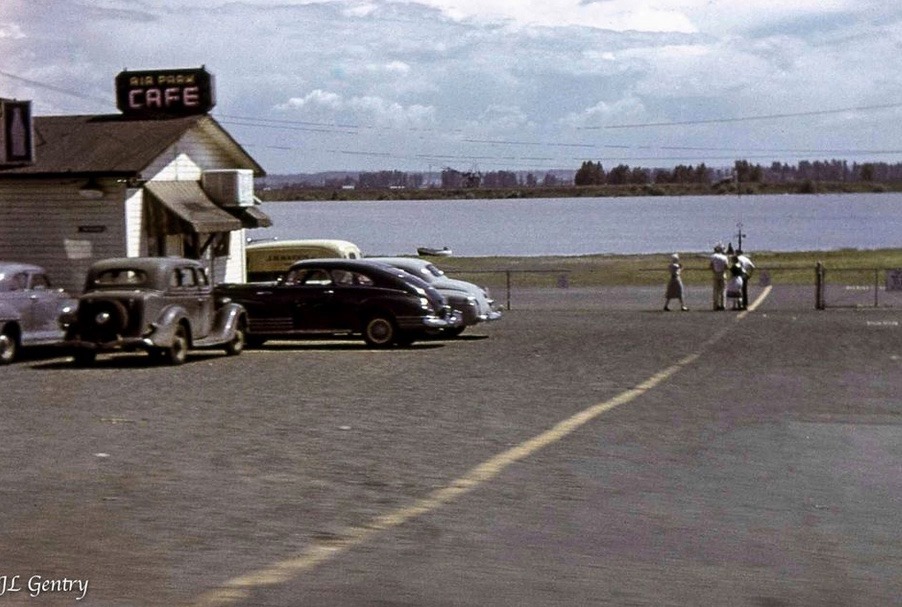
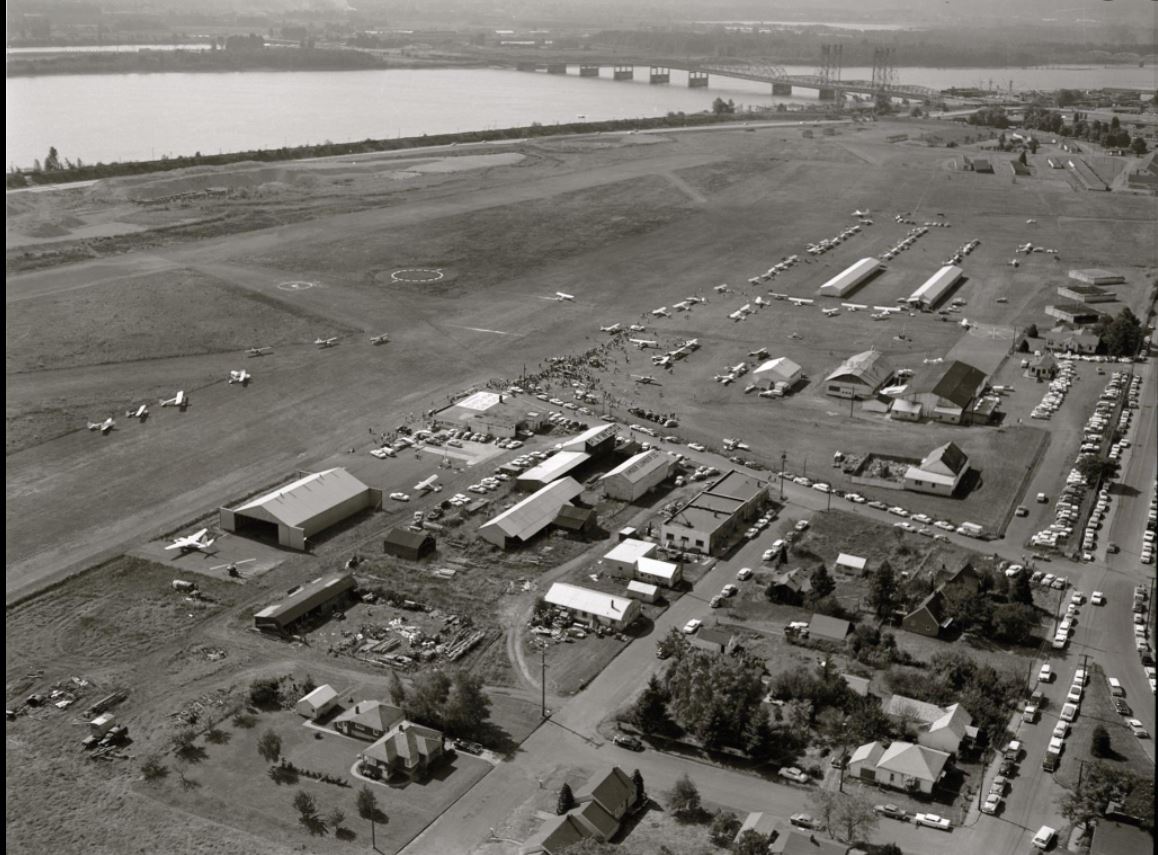
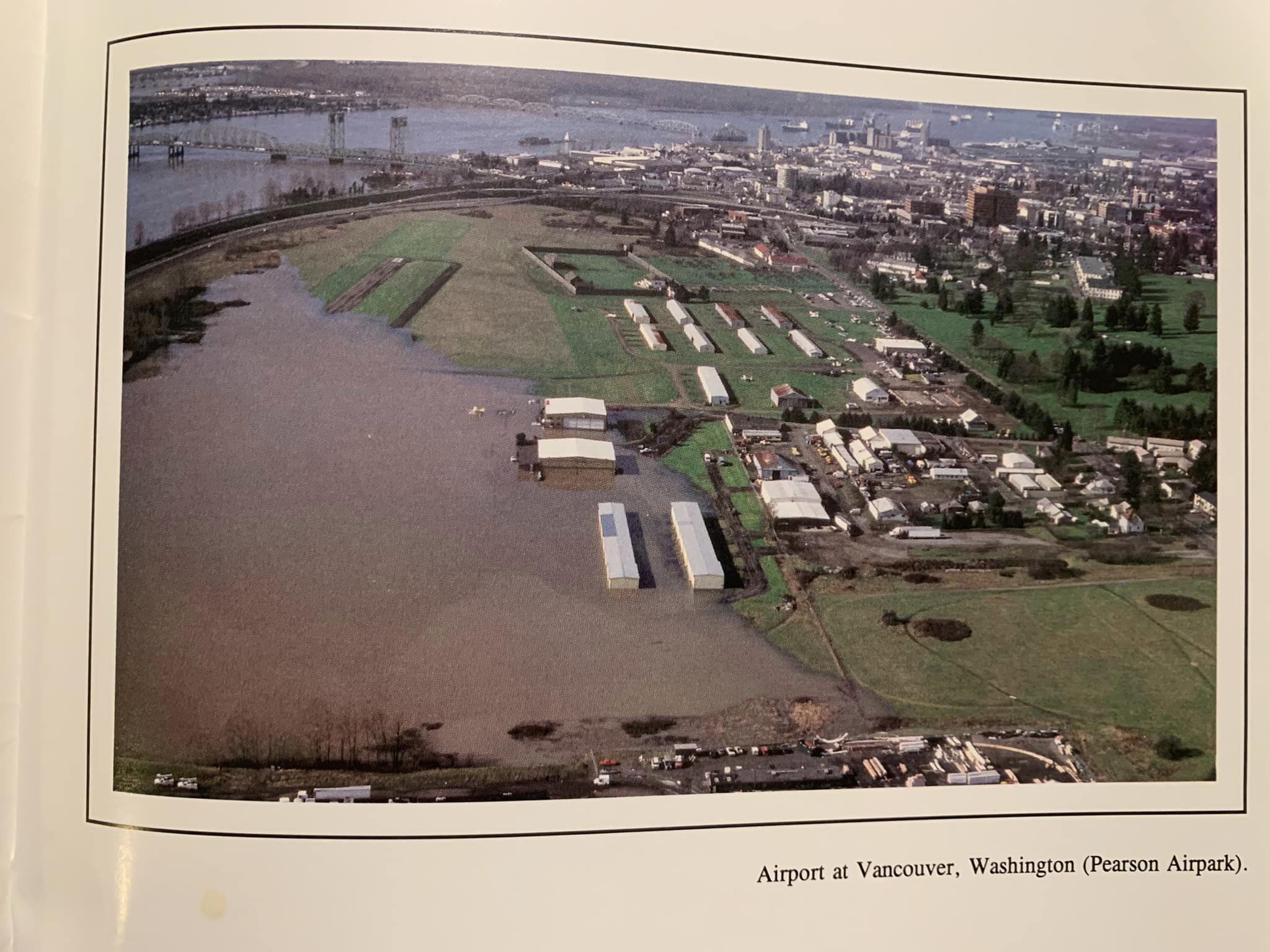
Pearson Field is a living link to early American aviation. It begins in 1905, when a powered airship crossed the Columbia and touched down on the Army’s parade ground. In the years that followed, the field supported a World War I spruce mill, trained Army Air Service aviators, welcomed the Douglas World Cruisers during the 1924 first flight around the world, and received the world’s first nonstop transpolar flight in 1937—today all part of Fort Vancouver National Historic Site.
Featured Moments
1924 — The World Flight Stops at Pearson
In March 1924, U.S. Army Air Service crews flying Douglas World Cruisers staged through the Vancouver Barracks/Pearson area before beginning the first aerial circumnavigation. Douglas World Cruisers at Pearson (NPS) .
1937 — Across the Pole to Pearson
On June 20, 1937, Valery Chkalov, Georgi Baidukov, and Alexander Belyakov landed their ANT‑25 at Pearson after a nonstop flight from Moscow over the North Pole—the first of its kind. Chkalov Transpolar Flight Monument beside the museum commemorates the achievement.
Airspace Safety Today: SRMD → Part 93 SFRA
Pearson sits just northwest of Portland International Airport (PDX). To manage converging traffic and wake‑turbulence risk, the FAA convened a Safety Risk Management Panel and documented mitigations in an SRMD, which informed a 2016 rule creating a Special Flight Rules Area (SFRA) under 14 CFR Part 93.
Timeline
Plan Your Visit
The Pearson Air Museum sits inside Fort Vancouver National Historic Site, allowing visitors to explore aviation, military, and community history together.
Further Reading
- Douglas World Cruisers at Pearson (NPS)
- Chkalov Transpolar Flight Monument (NPS)
- Clark County — Pearson Field History